LED vs HPS Grow Lights: Complete Comparison
Expert insights from our Zhongshan LED grow light engineering team
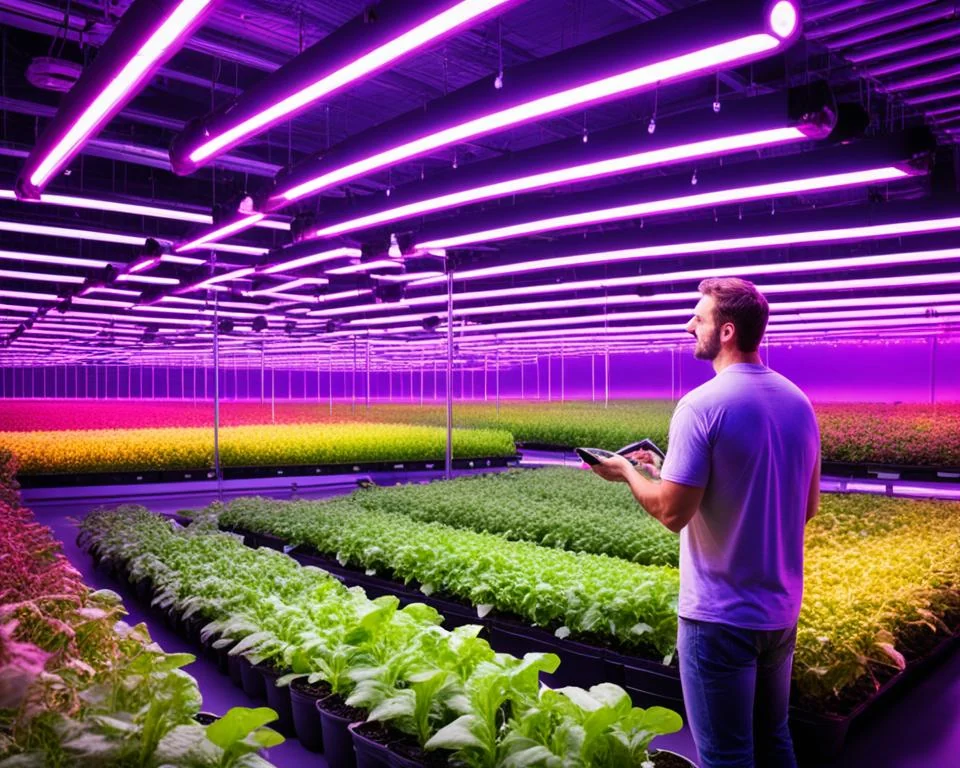
An LED-versus-HPS comparison should not rely on fixture wattage alone. Results depend on complete-fixture efficacy, distribution, mounting height, photoperiod, climate systems and electricity cost.
Efficacy and electricity
Modern LEDs can often reach a target photon output with higher PPE, but the energy difference should be calculated from measured input power, PPF and the proposed layout for the candidate models.
Heat and environmental control
Both systems ultimately turn most electrical energy into heat. HPS sends more radiant heat toward the canopy, while LED heat is transferred more through the fixture and room air, so HVAC effects require a facility-level review.
Distribution and spectrum
LED platforms make broad distribution and spectrum options easier; HPS remains a mature high-intensity point-source technology. Compare crop-plane PPFD maps rather than assuming a fixed one-for-one replacement.
Maintenance and controls
LED can reduce relamping and add flexible dimming, while drivers, connectors and controls still require service planning. HPS projects need lamp-depreciation and replacement schedules.
Total cost of ownership
Place equipment, installation, electricity, cooling, maintenance, controls, incentives and replacement cycles in one model to calculate the project-specific payback.
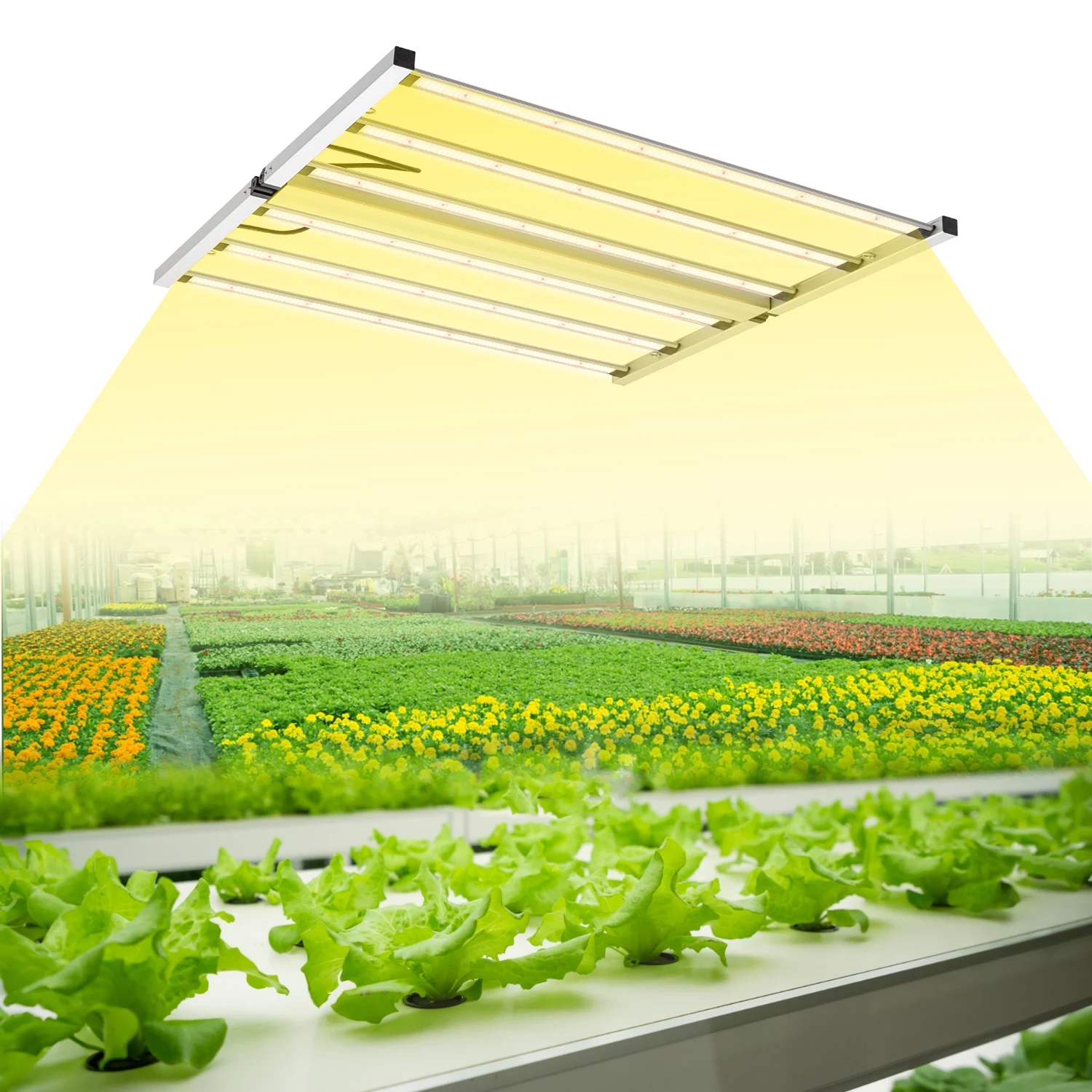
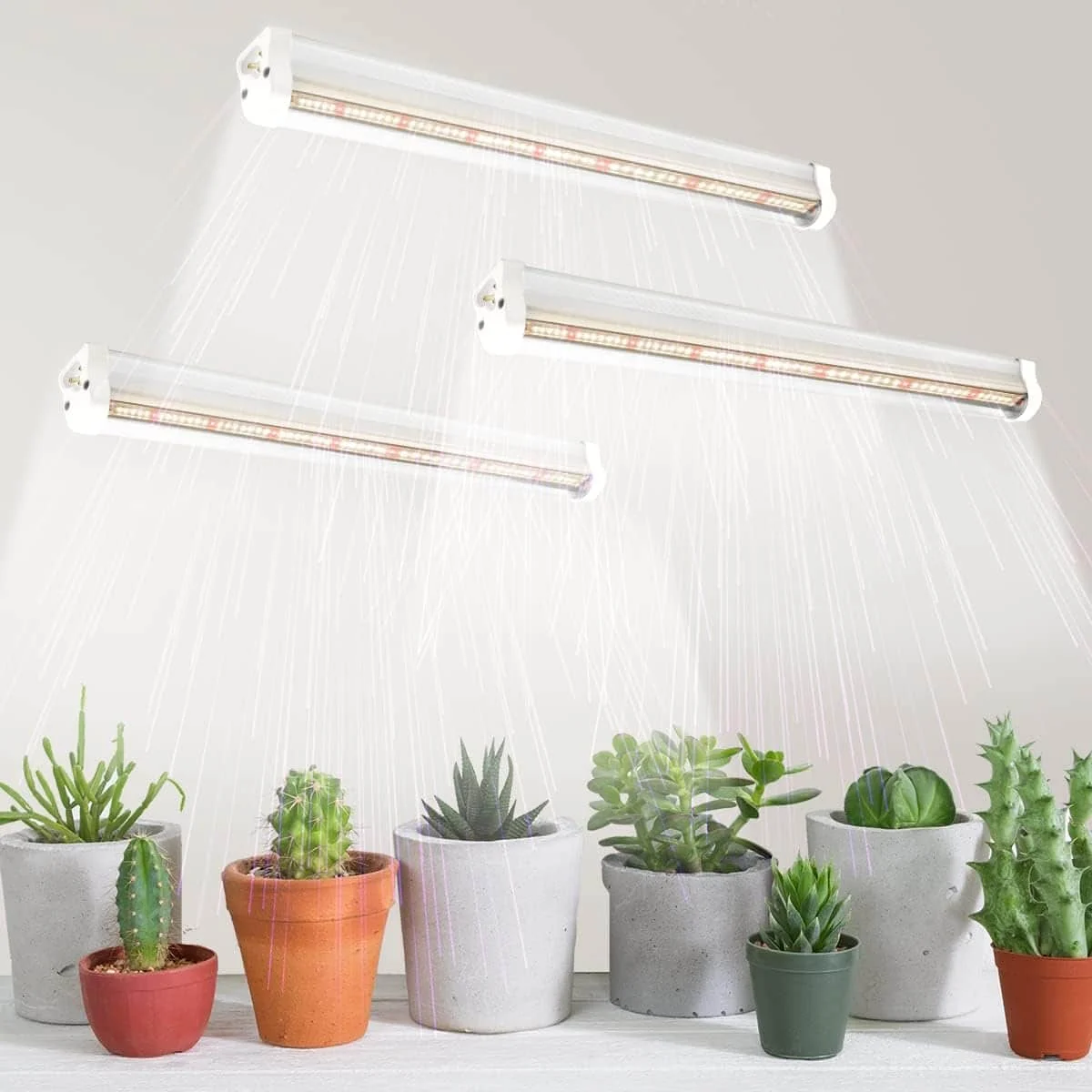
Build a project-specific energy comparison
For each proposed layout, calculate lighting energy as fixture quantity × actual input power in kW × daily operating hours × operating days. Use the same operating period for both systems. Keep cooling, heating, maintenance and installation as separate lines so the comparison can be updated when project inputs change.
For example, ten fixtures drawing 0.72 kW each and operating for 12 hours use 86.4 kWh per day for lighting. This is an arithmetic example, not a crop-lighting target. Apply the local electricity tariff and the actual annual schedule, then compare systems at the intended canopy light level.