LED Grow Light Maintenance Guide
Expert insights from our Zhongshan LED grow light engineering team
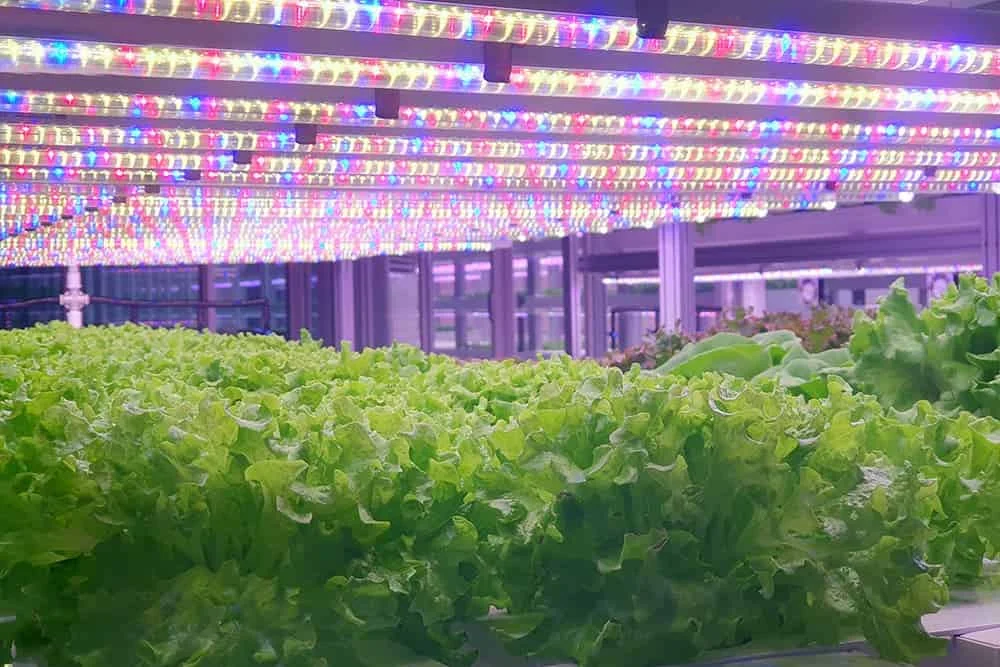
A practical LED grow light maintenance guide covering cleaning, thermal conditions, connections, drivers, performance records and spare planning.
Use the model manual
Cleaning method, service access and allowable chemicals differ by fixture. Isolate power, follow the product manual and let qualified personnel handle electrical work.
Keep optical and cooling surfaces clean
Dust and residue can reduce output and restrict heat dissipation. Set an inspection interval that reflects the greenhouse or grow-room environment, then record the condition and action taken.
Inspect connections and supports
Check hangers, fasteners, cable strain relief, seals and connectors for movement, corrosion or heat damage. Replace damaged parts with components approved for the exact model and environment.
Track performance
Record input power, dimming behavior and PPFD at repeatable reference points. A trend is more useful than a single reading because it helps distinguish dirt, driver issues, layout changes and normal depreciation.
Plan drivers and spares
Before purchase, clarify driver replacement, spare availability, warranty workflow and serial-number records. Keep a small project-specific spare strategy when lighting downtime would affect production.
Need fixtures matched to a project?
Send the crop, layout, target light level, voltage and quantity for a structured comparison.
Share Project Requirements
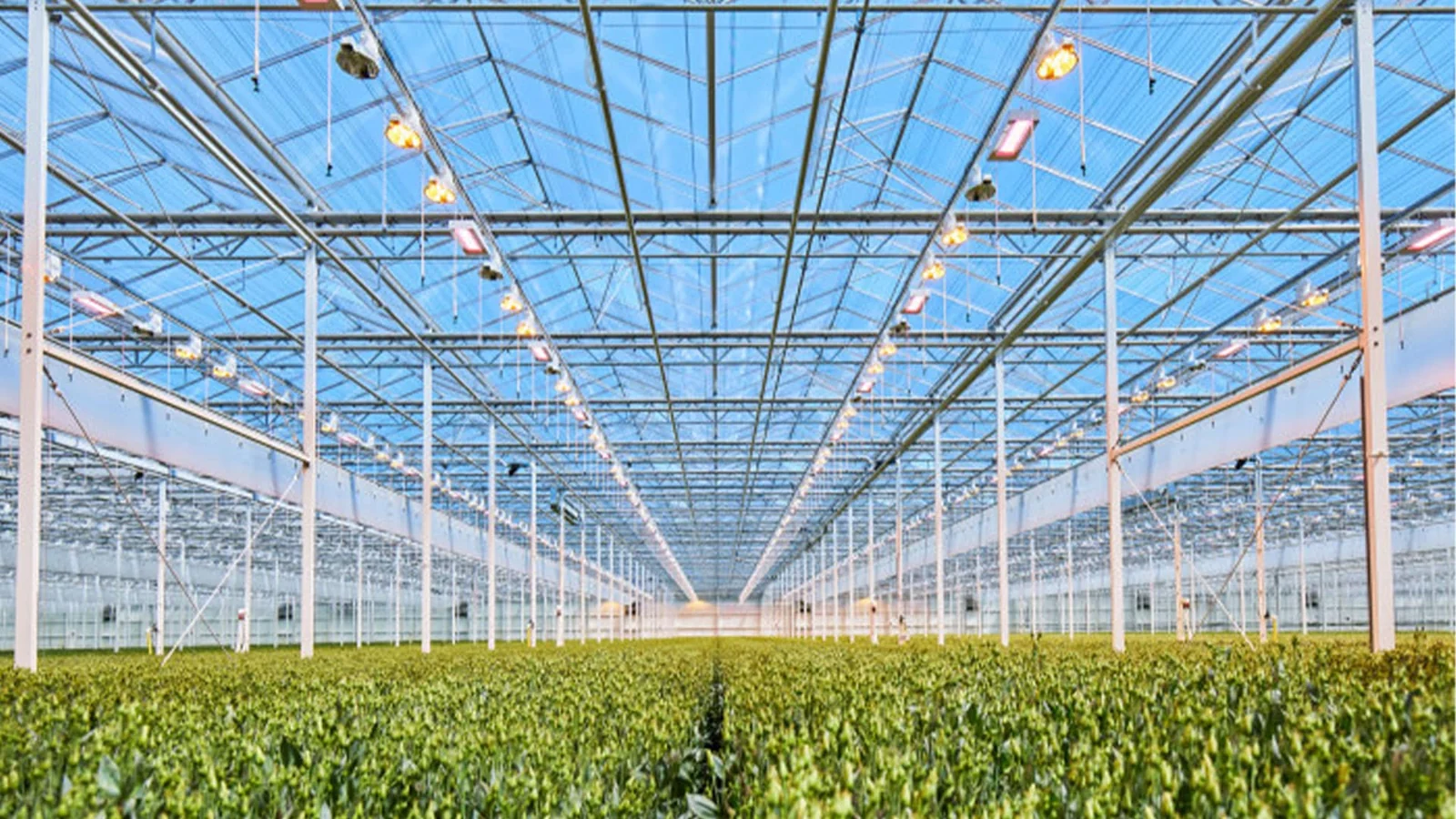
Plan spares with the original purchase
Keep a fixture register that connects each room or rack to its model, driver, connector and installation date. Record cleaning and service actions against that register. When ordering replacement parts, include photos of labels and the existing connection so the request identifies the installed configuration.
For a multi-room facility, agree which spare drivers, connecting leads and mounting accessories should be held locally. Separate consumable accessories from complete replacement fixtures in the purchasing plan. This helps the maintenance team request the right item without reopening the entire lighting selection process.