Benefits of Full Spectrum LED Grow Lights
Expert insights from our Zhongshan LED grow light engineering team
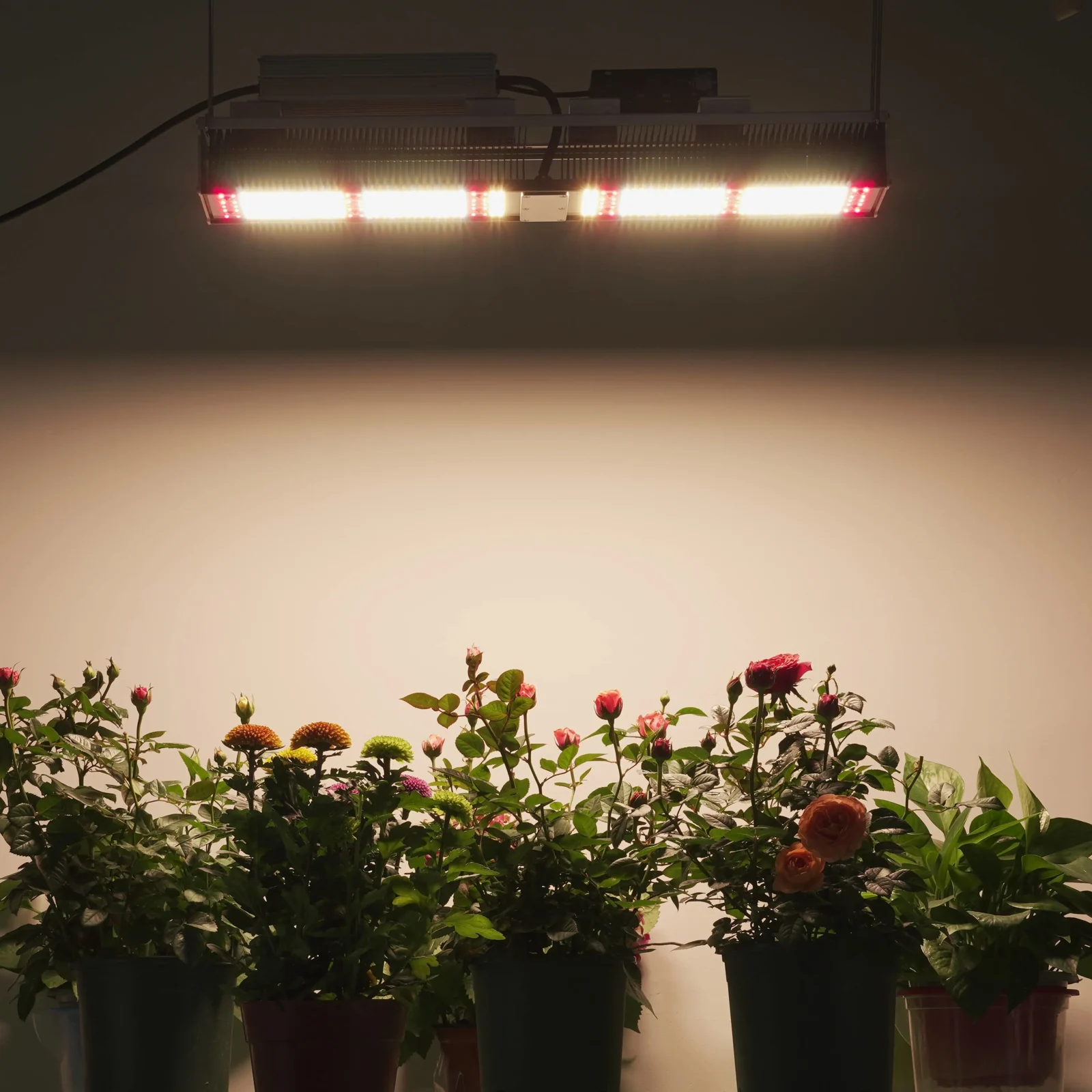
Understand full-spectrum LED grow lights, blue, green, red, far-red and UV channels, and the data buyers should compare before sourcing.
What full spectrum means
Full spectrum is a broad industry term, not a single fixed recipe. Most horticultural fixtures combine white LEDs with optional deep-red or far-red channels. Compare the published spectral power distribution rather than relying on the label alone.
Blue, green and red
Blue light influences morphology and stomatal responses; green light can penetrate deeper into a canopy; red photons are efficiently used in photosynthesis. The useful balance depends on crop, stage, intensity and environment.
Far-red and UV
Far-red can influence phytochrome responses and canopy behavior. UV can trigger crop-specific responses but also creates exposure and material-safety considerations. Separate control and a measured trial are preferable to a universal claim.
What buyers should request
Ask for a complete spectral graph, PPF by wavelength band, actual input power, efficacy, crop-plane PPFD map, dimming behavior and the exact model configuration represented by the test data.
Need fixtures matched to a project?
Send the crop, layout, target light level, voltage and quantity for a structured comparison.
Share Project Requirements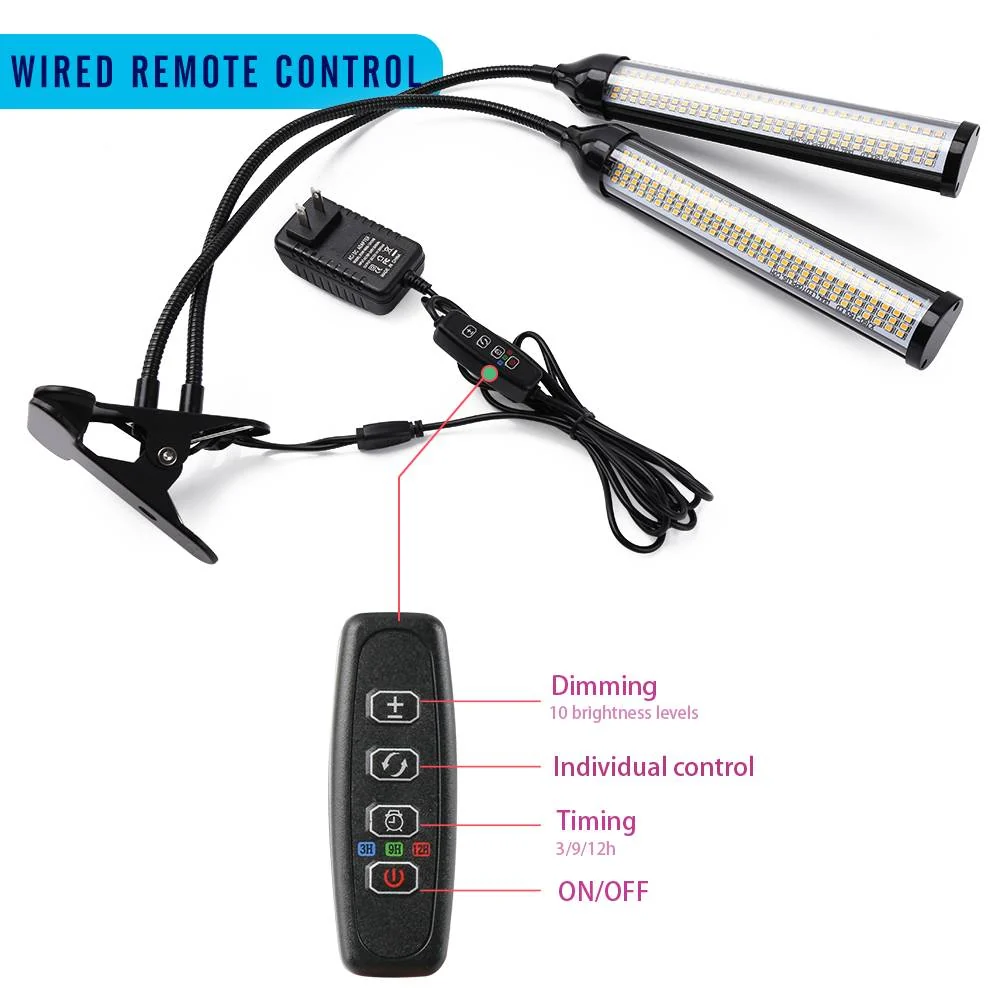

Turn a spectrum preference into an order specification
A buyer may ask for full spectrum, white plus red, or a separate far-red channel. Convert that preference into a repeatable specification by requesting the spectral graph and the tested configuration. Record whether supplemental channels are included in the quoted power and whether they can be controlled independently.
For private-label projects, use one agreed spectrum reference across the sample, product sheet and production order. Keep the fixture size, driver and operating setting with that reference. This gives the purchasing team a consistent way to discuss alternate platforms and future repeat orders.